
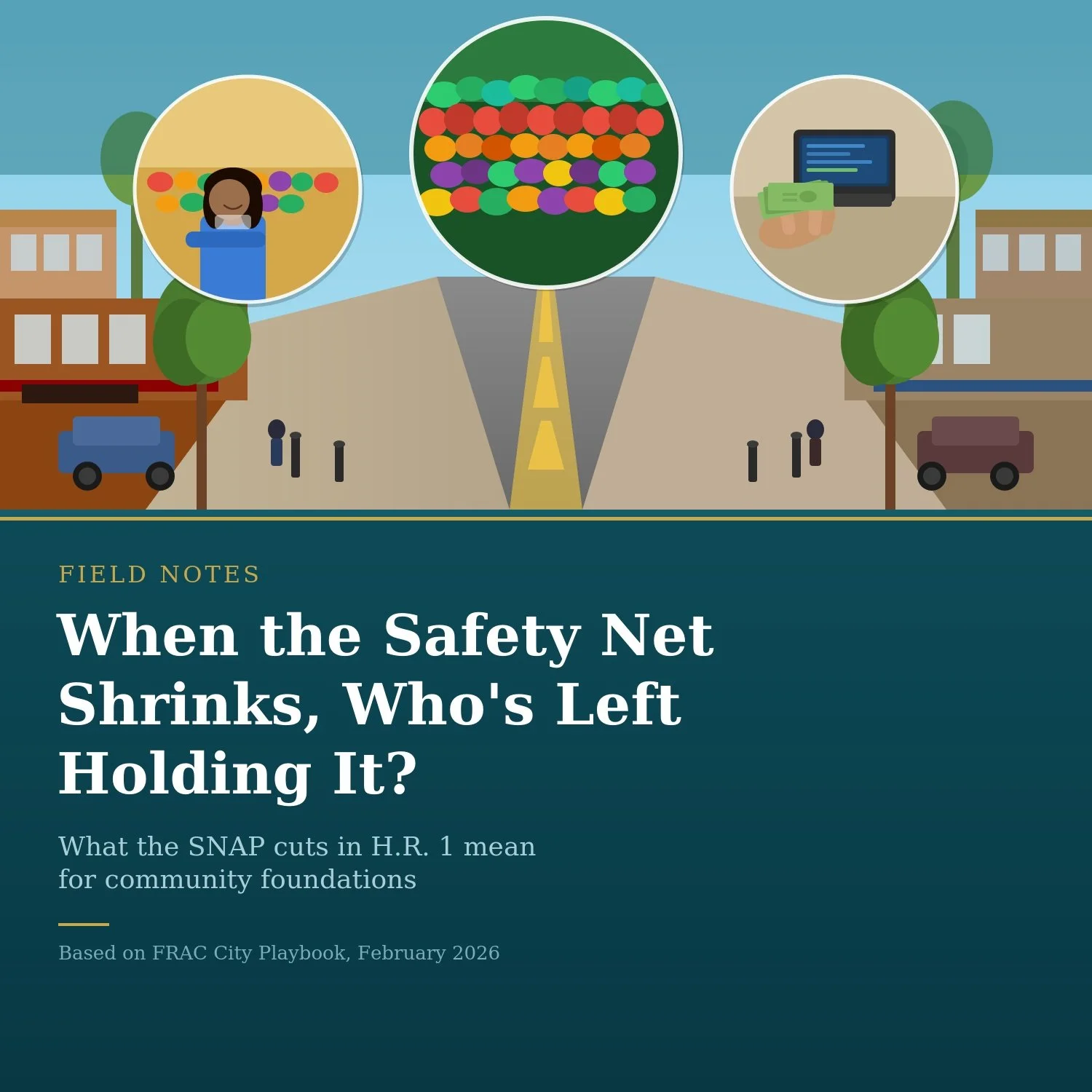
When the Safety Net Shrinks, Who's Left Holding It?
Most federal policy changes arrive slowly enough that foundations can watch, assess, and respond over time. The SNAP cuts in H.R. 1 are different. The eligibility changes are effective immediately. The cost shifts arrive in 2027. And the demand on your grantee network is already building.
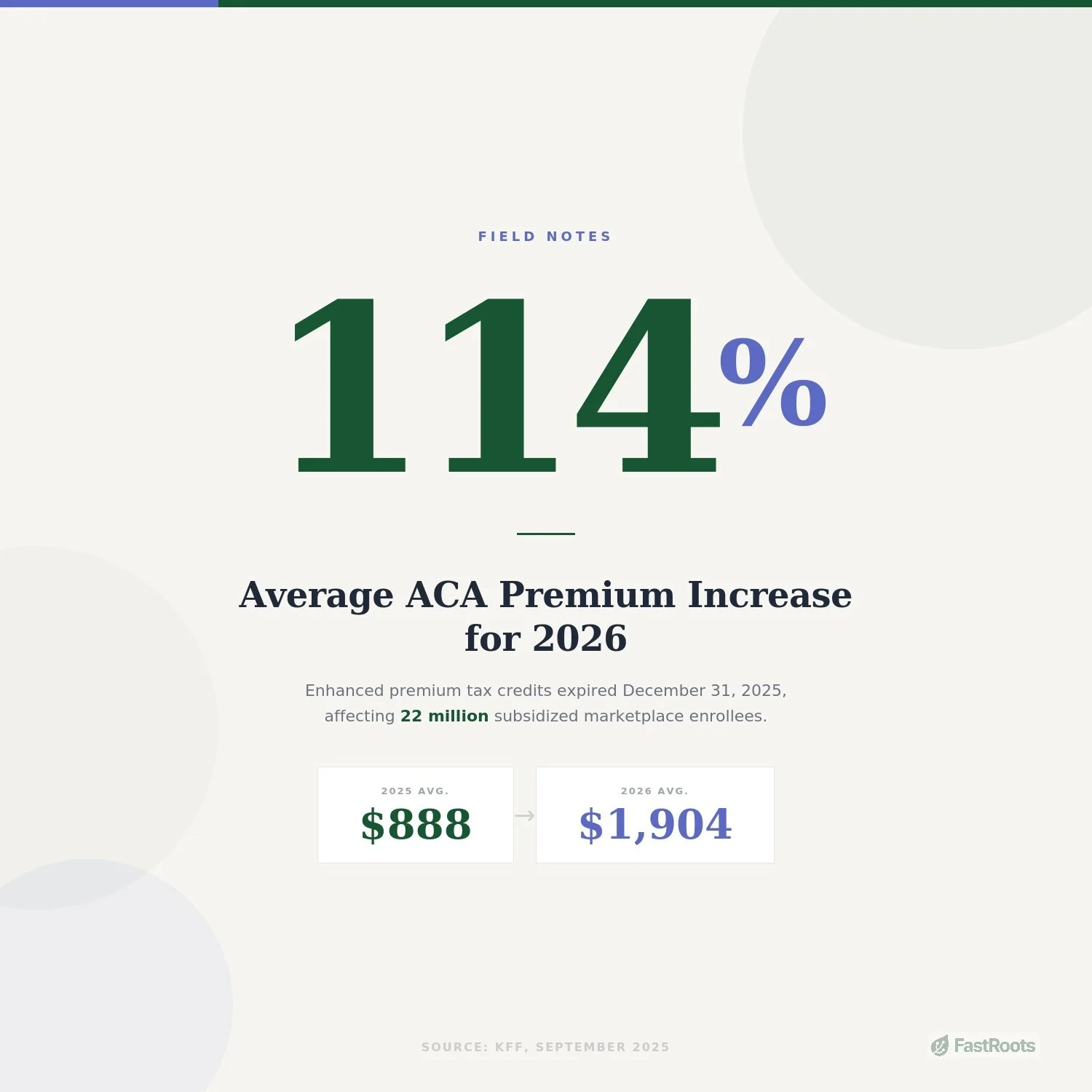
Healthcare Costs and the Hidden Driver of Food Insecurity
When families spend significantly more on health insurance, fewer dollars remain for food. The expiration of enhanced ACA subsidies is an upstream driver of food insecurity that community foundations and food relief organizations cannot afford to ignore.
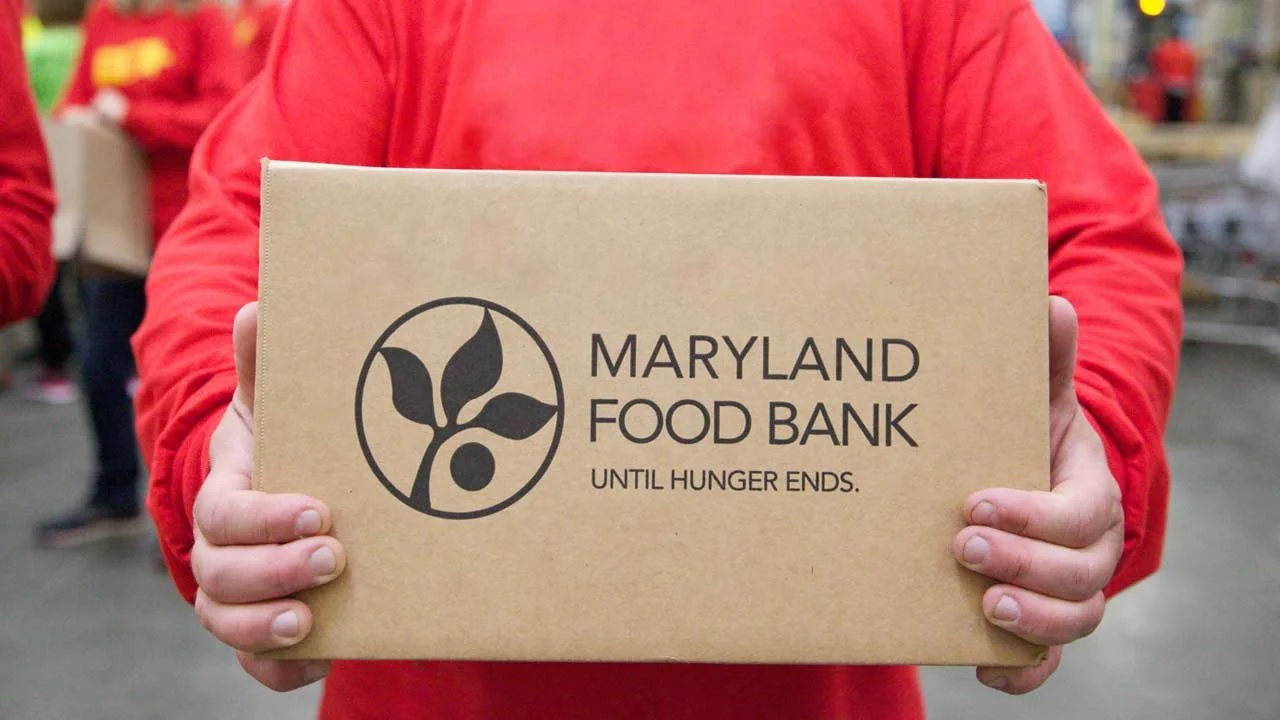
When a Food Bank Becomes a Foundation: What Maryland's Neighbor Impact Grant Reveals About the Future of Food Security Funding
The Maryland Food Bank isn't just distributing food. It's funding pathways out of hunger. Their Neighbor Impact Grant offers a glimpse of where food security philanthropy is headed, and the coordination challenges that come with it.
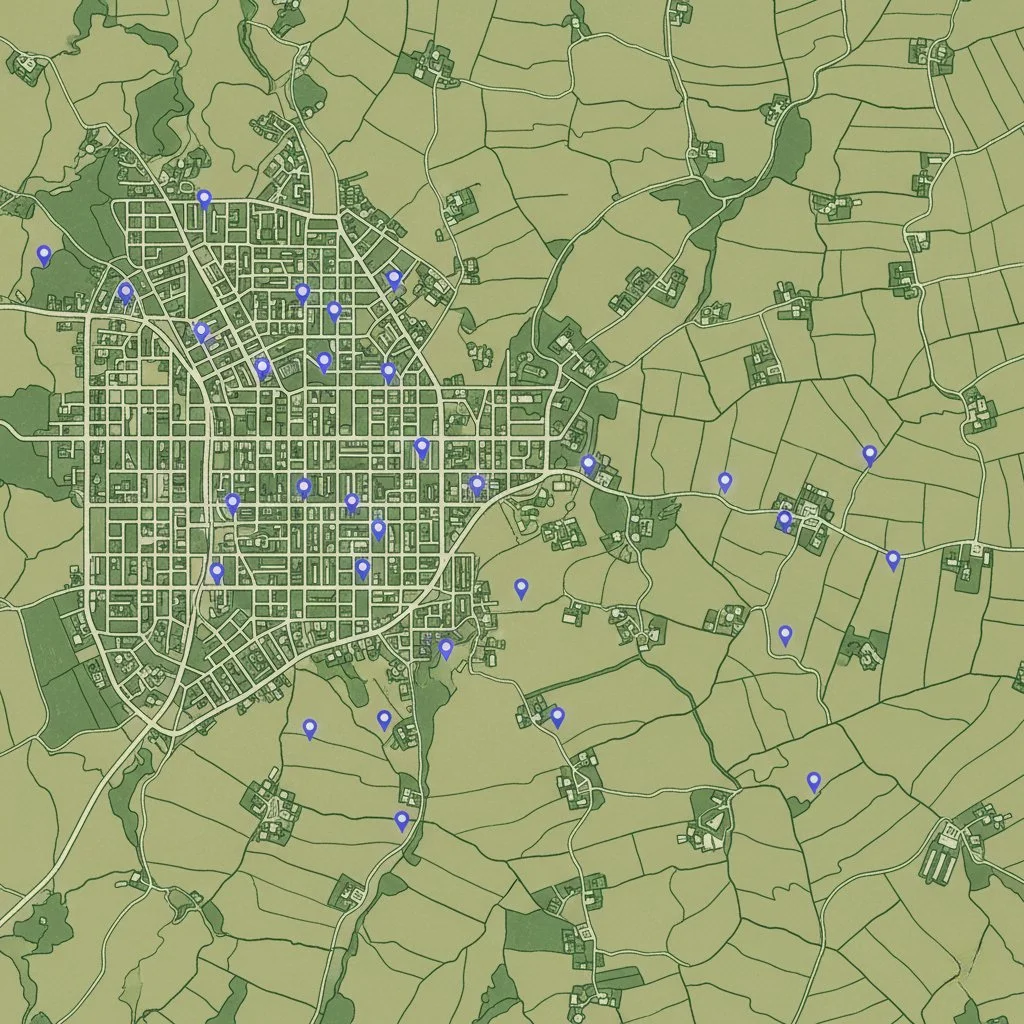
A Food Pantry on the Map Doesn't Mean a Family Gets Fed
A peer-reviewed study mapped 34,475 food pantries across the U.S. and found that nearly 1 in 4 neighborhoods have low access to food assistance. The findings reveal why density alone doesn't equal coverage, and what that means for foundations funding food relief.

The Poultry Industry's Immigration Contradiction
Poultry industry executives poured millions into supporting anti-immigrant campaigns while their processing plants depended on immigrant labor. Now, as TPS terminations strip work authorization from thousands of workers, those same companies are quietly reaching across the aisle for help.
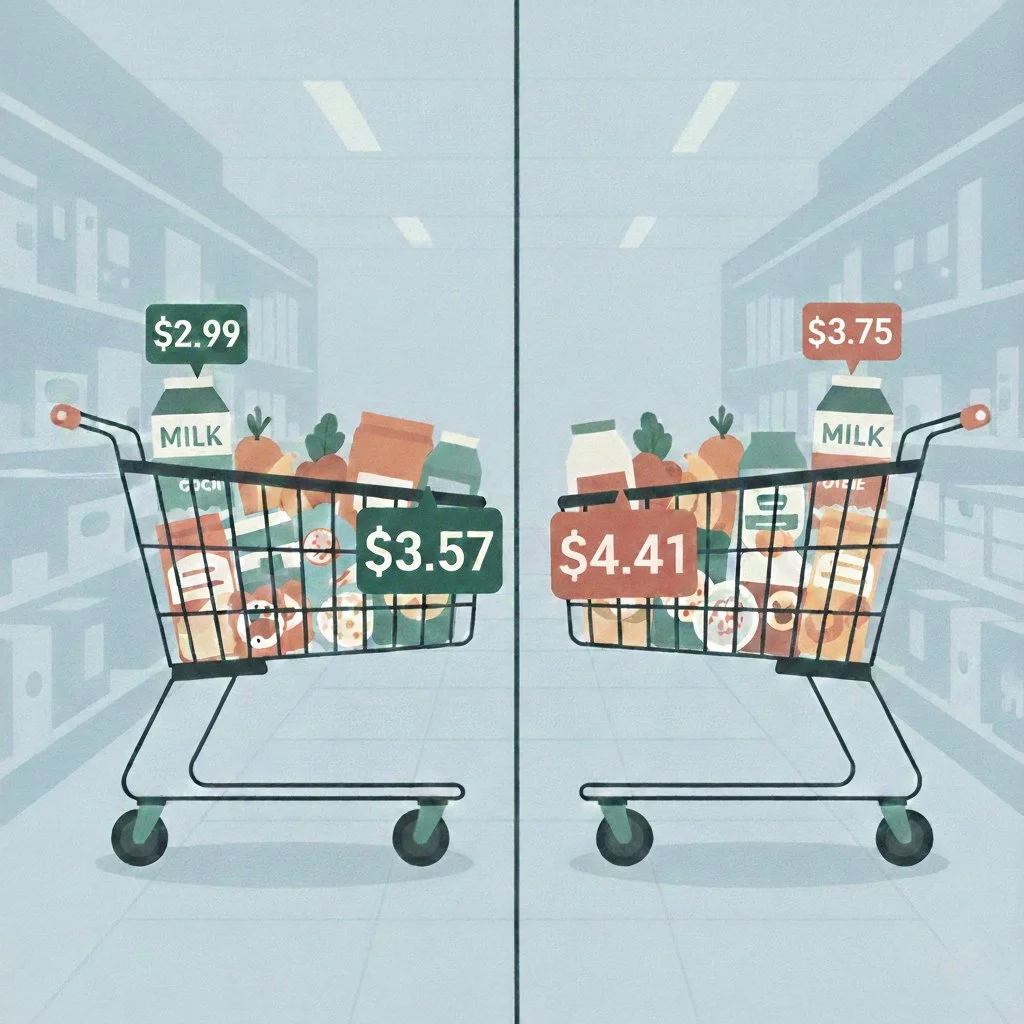
Same Cart, Different Price: What Instacart's Pricing Experiments Mean for Food Security
A landmark investigation revealed Instacart was charging different customers different prices for identical groceries, with variations up to 23%. For families already struggling to put food on the table, the implications go far beyond convenience.
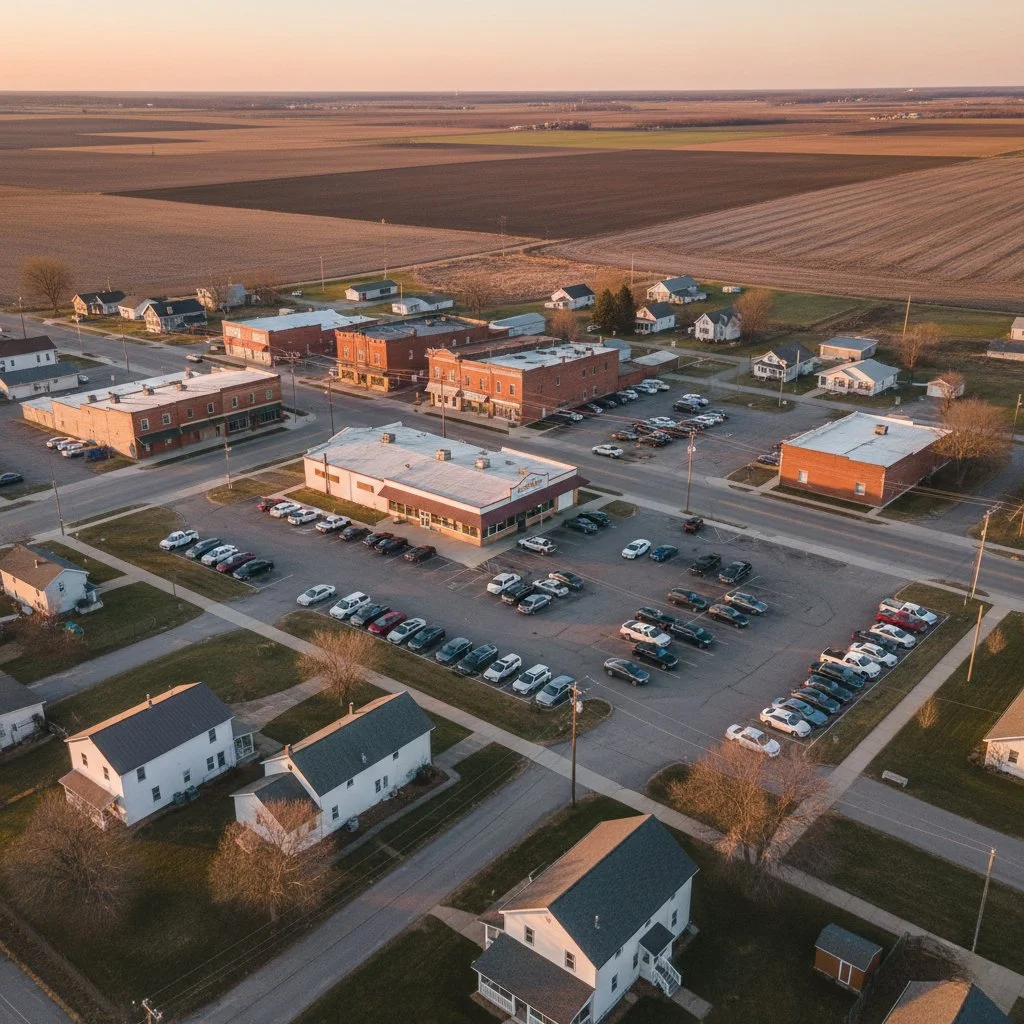
When the Safety Net Shrinks, Rural Communities Feel It First
SNAP benefits generate nearly $2 in economic activity for every $1 spent, but coming program cuts will hit rural communities hardest, where a single grocery store can anchor an entire local economy.
Food Insecurity Hit 16% in November. Here's What That Means for Community Foundations
New data from Purdue's Center for Food Demand Analysis and Sustainability shows U.S. food insecurity spiked sharply in November 2025, with SNAP participants hit hardest. For community foundations funding food relief, the numbers reveal an urgent coordination problem.

How Mountaineer Food Bank Cracked the Code on Serving Food-Insecure Teens
Middle and high schoolers would rather go hungry than face the stigma of school food programs. One West Virginia food bank found a way to reach them through confidential home delivery and creative partnerships.
Why MANNA Food Bank Excels at Website Advocacy (And Why It Matters for WNC)
Only 25% of food banks nationwide excel at website advocacy. MANNA Food Bank is one of them, and their approach offers a blueprint for how food relief organizations can drive both immediate impact and systemic change in Western North Carolina.

American Red Cross Extends Relief to Resilience Funding with Additional $500,000 Investment
The American Red Cross has approved an additional $500,000 for Western North Carolina's Relief to Resilience project, enabling grassroots food organizations to deliver over 40,000 additional meals and nearly $200,000 in direct farm purchases through the FastRoots-coordinated initiative.