
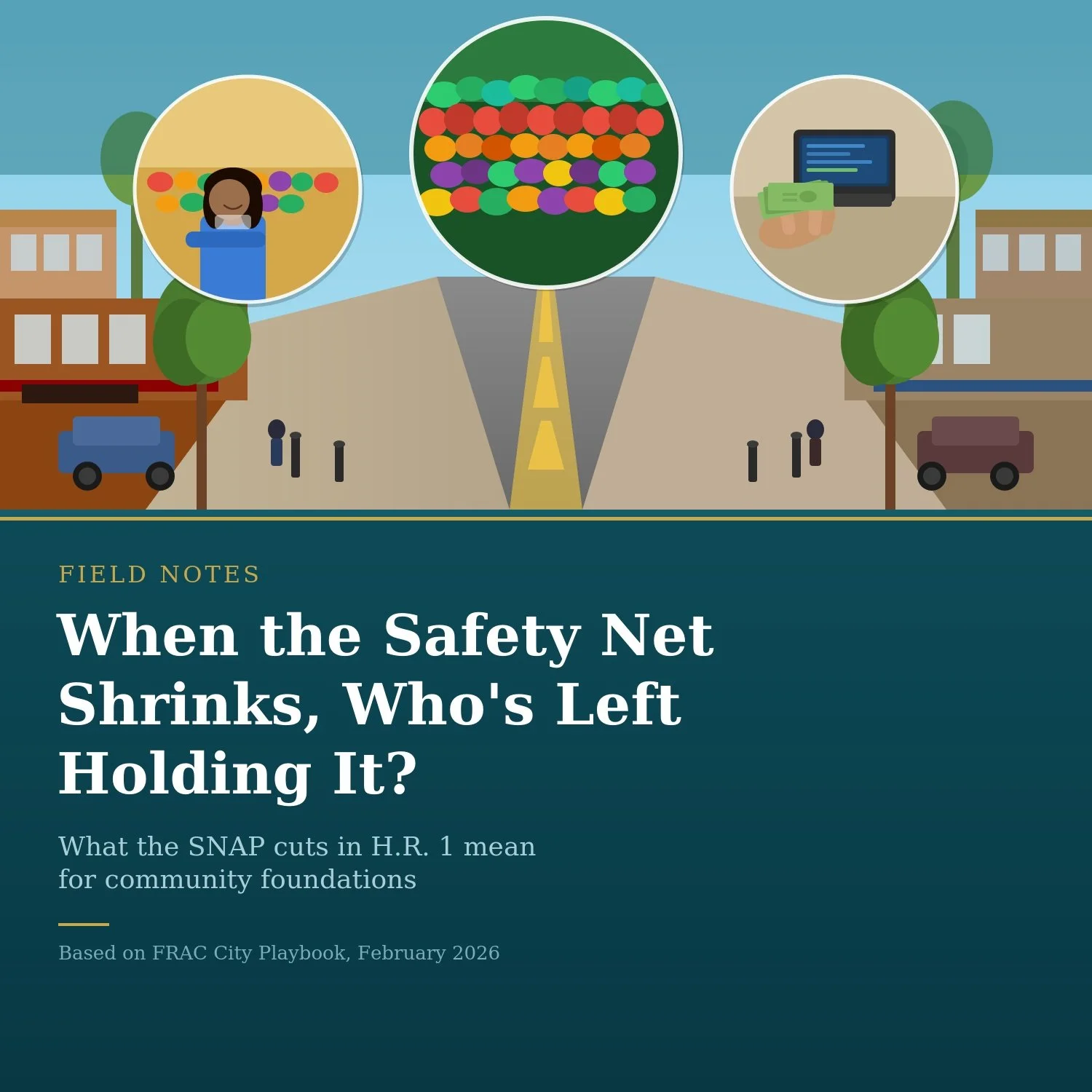
When the Safety Net Shrinks, Who's Left Holding It?
Most federal policy changes arrive slowly enough that foundations can watch, assess, and respond over time. The SNAP cuts in H.R. 1 are different. The eligibility changes are effective immediately. The cost shifts arrive in 2027. And the demand on your grantee network is already building.
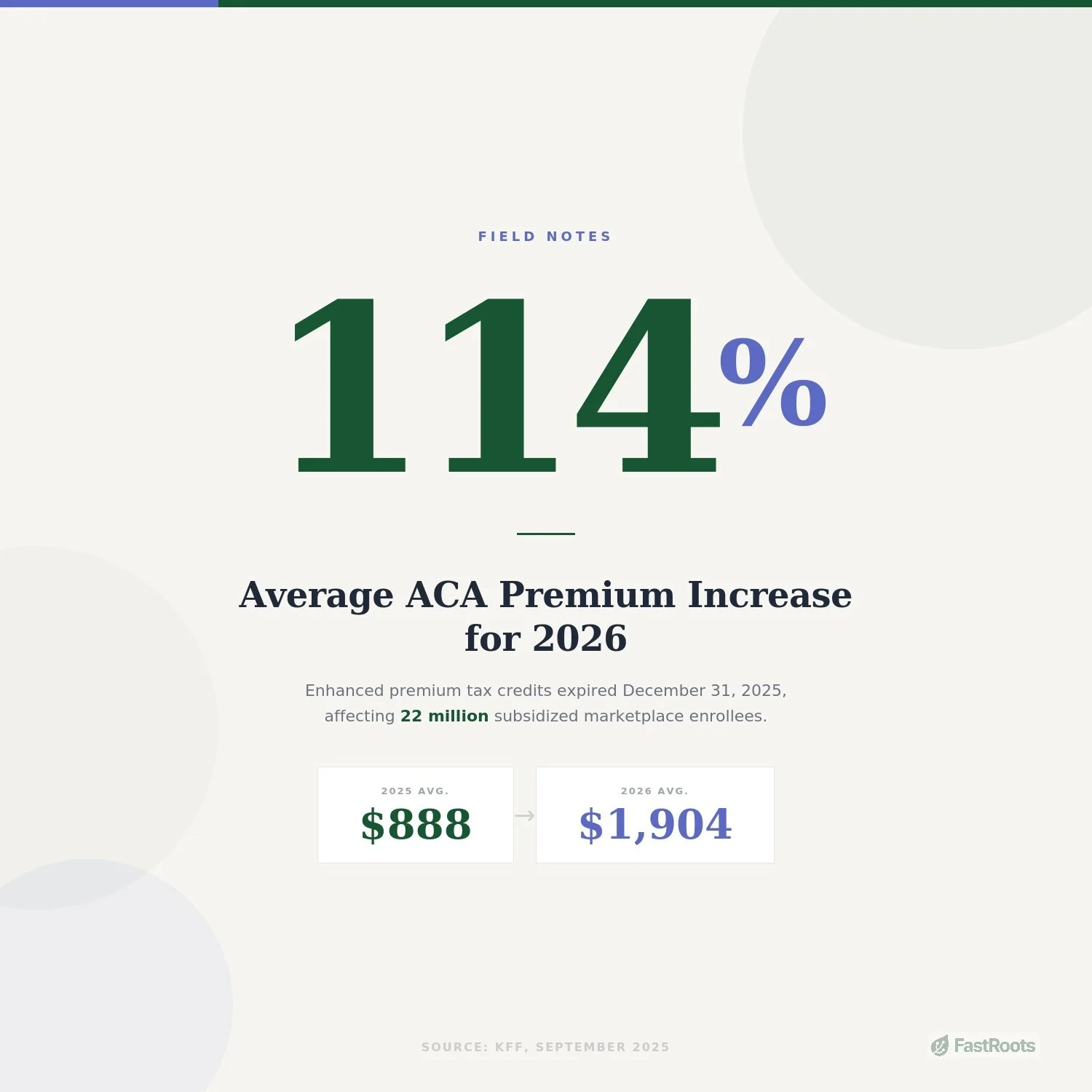
Healthcare Costs and the Hidden Driver of Food Insecurity
When families spend significantly more on health insurance, fewer dollars remain for food. The expiration of enhanced ACA subsidies is an upstream driver of food insecurity that community foundations and food relief organizations cannot afford to ignore.
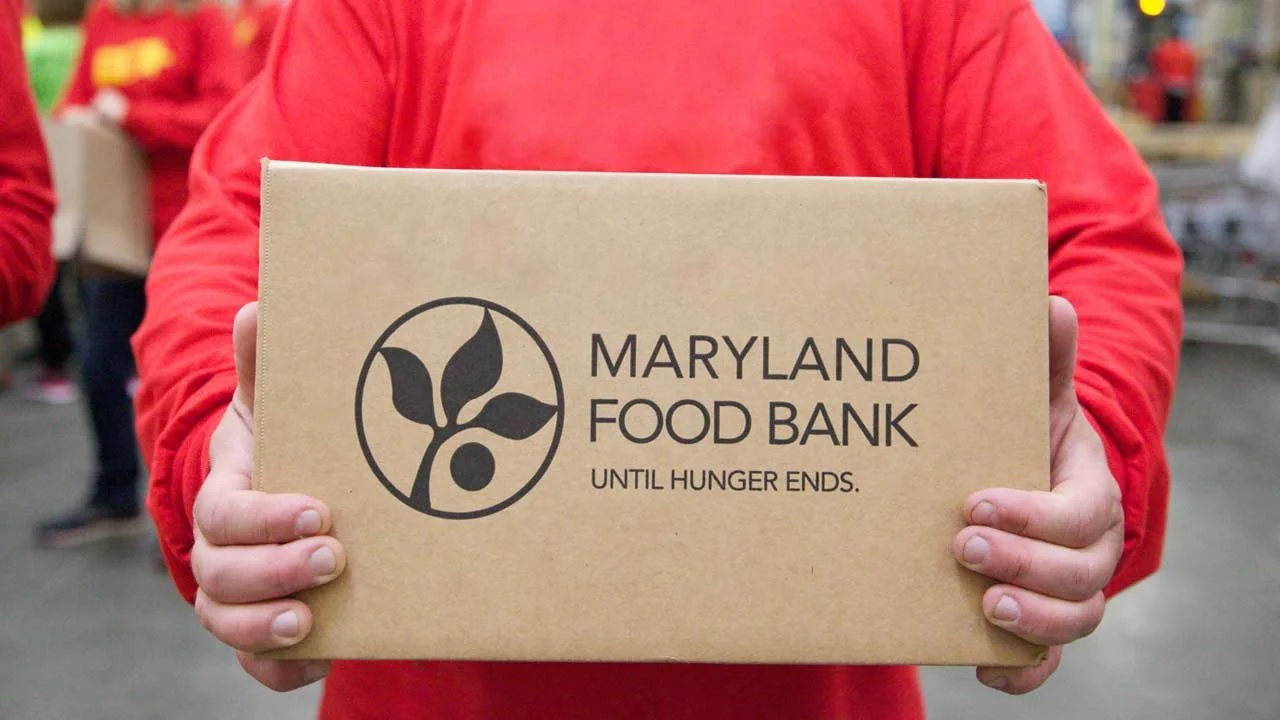
When a Food Bank Becomes a Foundation: What Maryland's Neighbor Impact Grant Reveals About the Future of Food Security Funding
The Maryland Food Bank isn't just distributing food. It's funding pathways out of hunger. Their Neighbor Impact Grant offers a glimpse of where food security philanthropy is headed, and the coordination challenges that come with it.
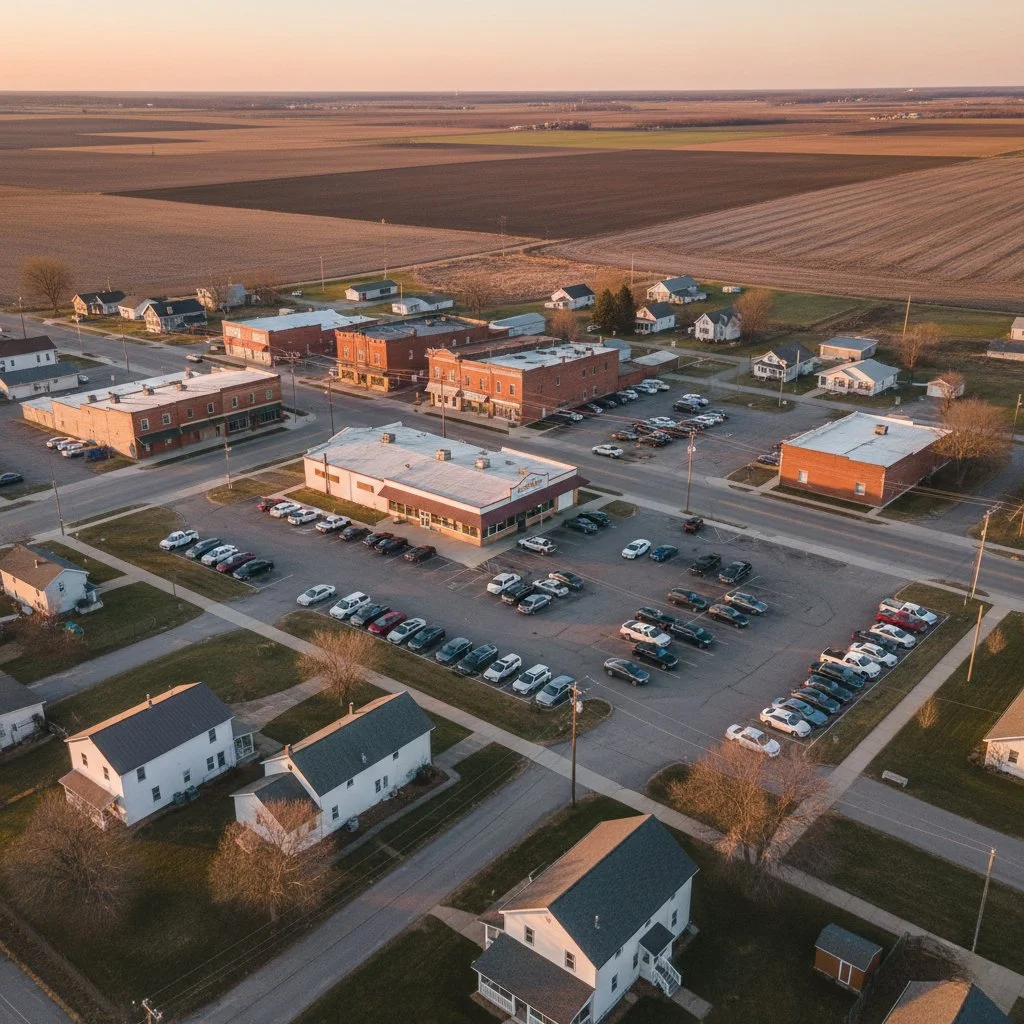
When the Safety Net Shrinks, Rural Communities Feel It First
SNAP benefits generate nearly $2 in economic activity for every $1 spent, but coming program cuts will hit rural communities hardest, where a single grocery store can anchor an entire local economy.
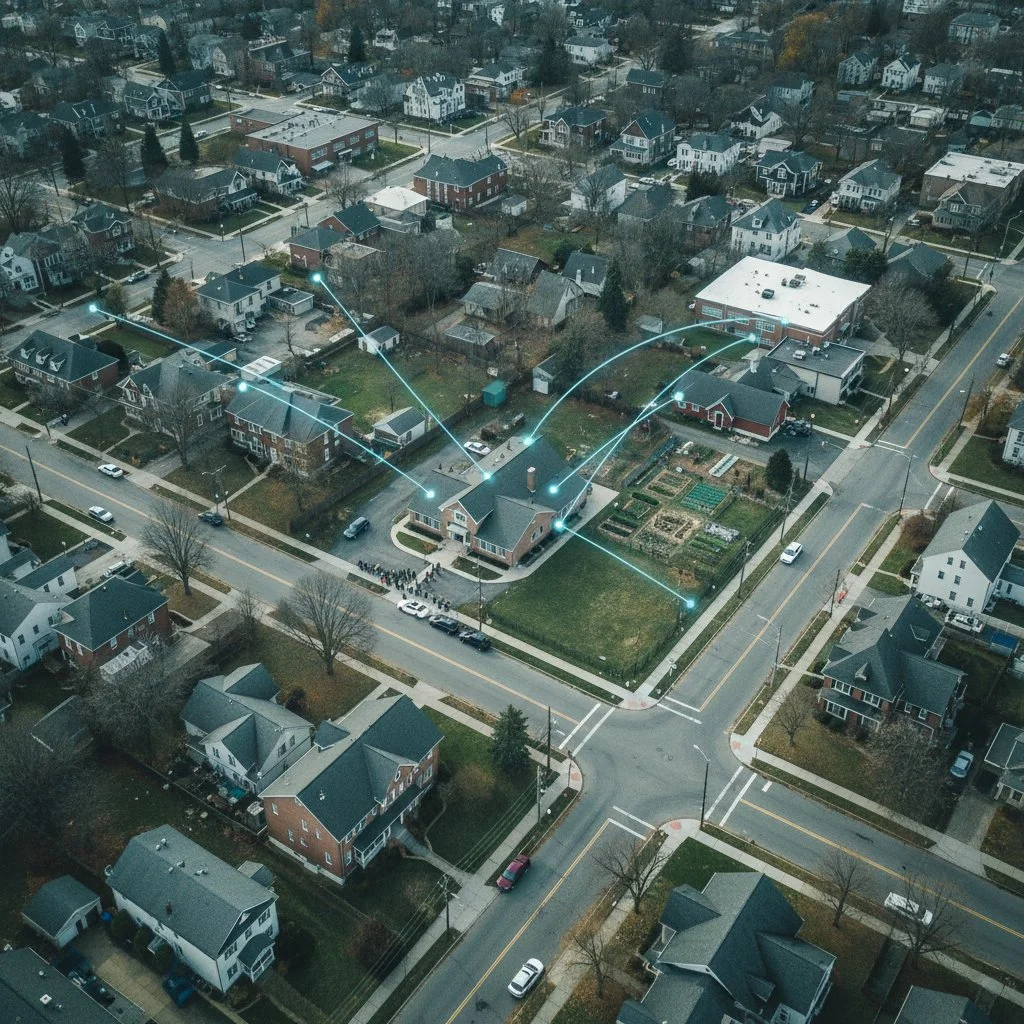
Food Insecurity Hit 16% in November. Here's What That Means for Community Foundations
New data from Purdue's Center for Food Demand Analysis and Sustainability shows U.S. food insecurity spiked sharply in November 2025, with SNAP participants hit hardest. For community foundations funding food relief, the numbers reveal an urgent coordination problem.

The Philanthropy Paradox: Why Fewer Donors Are Giving More (And What It Means for Community Foundations)
New research reveals affluent giving participation has dropped 10 percentage points since 2015, yet average gifts now exceed $33,000. This creates an urgent coordination crisis for community foundations.
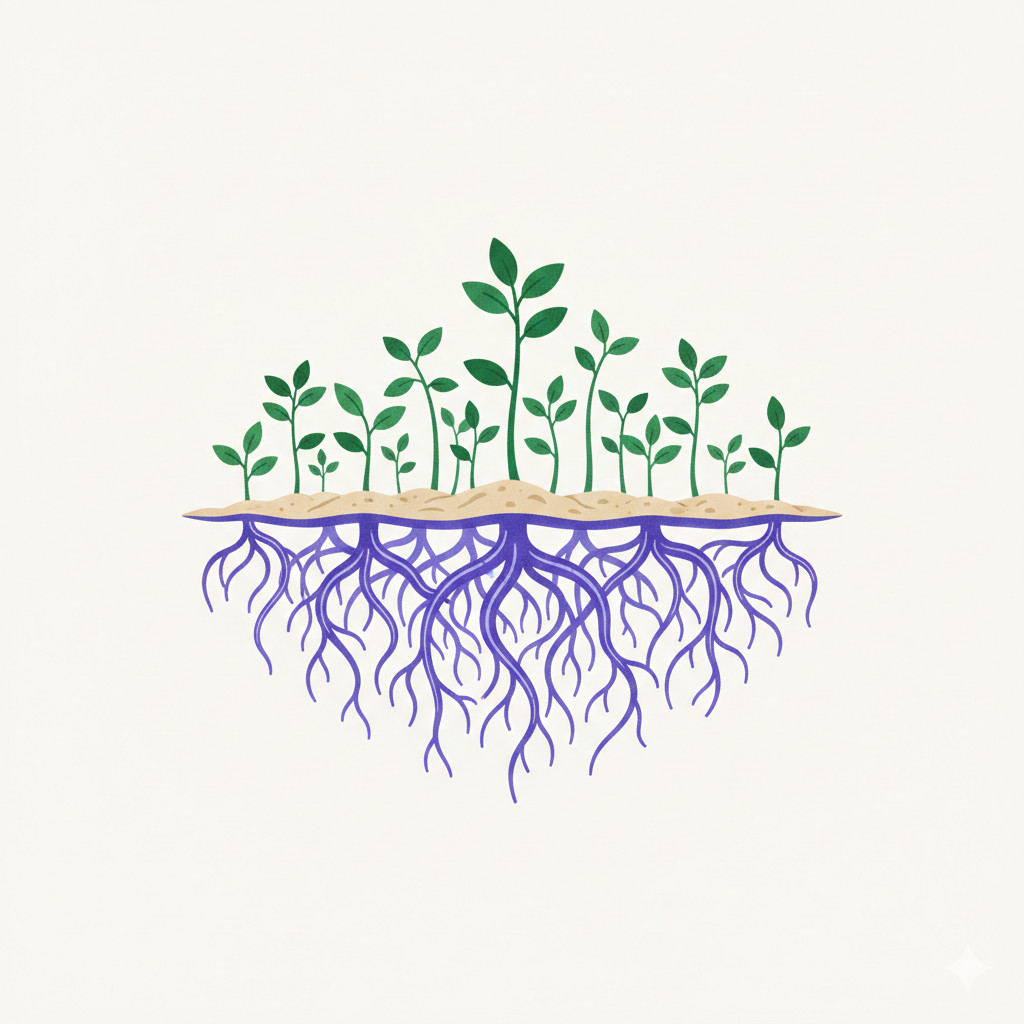
Why Grassroots Groups Aren't a Risk for Funders (They're the Sure Bet)
A new piece from the Center for Effective Philanthropy makes a compelling case that funders don't need to 'bet' on grassroots organizations; they need to listen to them, resource them, and follow their lead.