
Why Grassroots Groups Aren't a Risk for Funders (They're the Sure Bet)
July 24, 2025
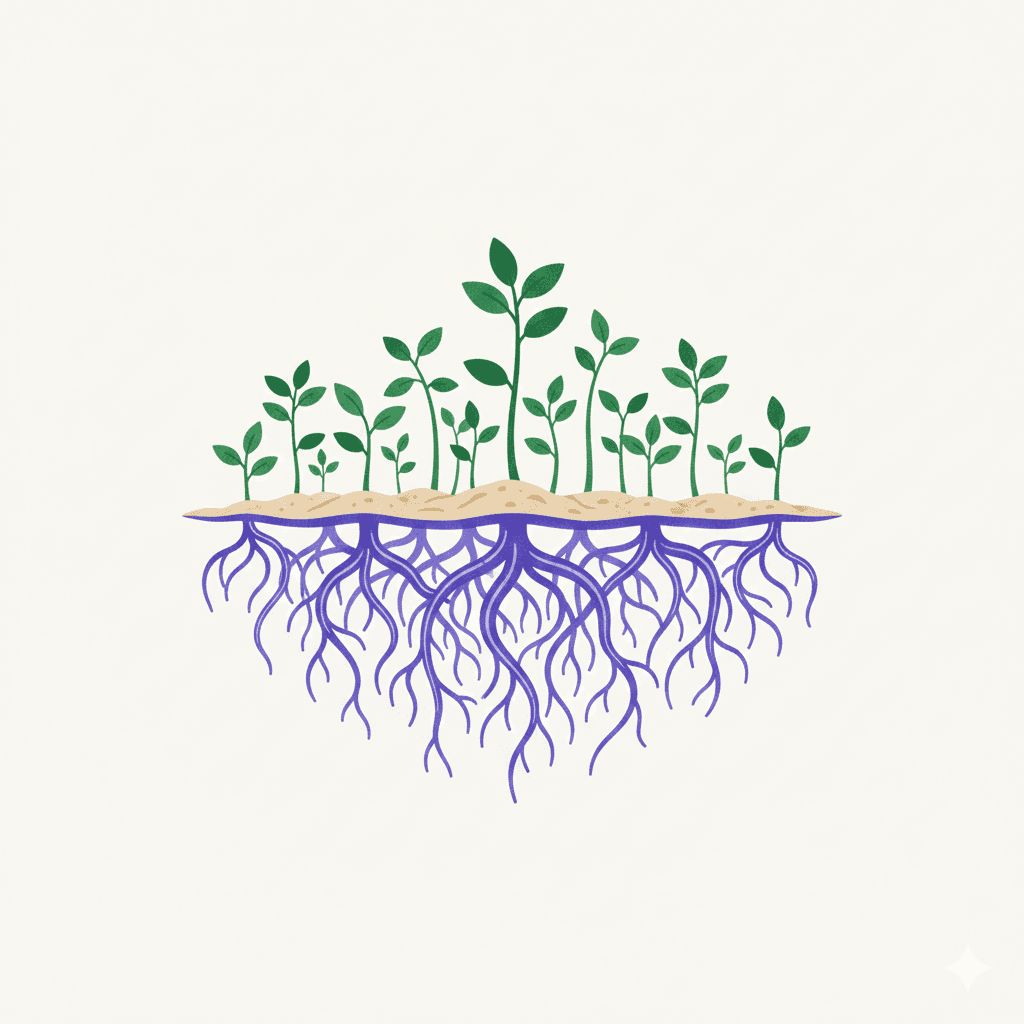
A powerful new piece from Linda Saleh at the Center for Effective Philanthropy cuts through one of philanthropy's most persistent myths: that investing in grassroots organizations is somehow riskier than funding established national groups.
The reality? It's the opposite.
The Funding Gap Is Real, and It's a Choice
The numbers are stark. According to the Environmental Grantmakers Association, the top three percent of climate organizations receive half of all funding dollars, while the bottom 60 percent combined receive less than five percent. This isn't a reflection of impact potential; it's a reflection of philanthropic inertia, the gravitational pull toward big-name organizations with big budgets and entire departments devoted to measurement.
Meanwhile, grassroots groups operate in the gap between promise and delivery. They're the ones running food distributions, organizing tenants, responding to emergencies, and fighting for policy change, often with a fraction of the resources and none of the infrastructure for producing the "polished deliverables" that mainstream philanthropy demands.
What "Impact Skepticism" Really Costs
Saleh names something funders rarely acknowledge: impact skepticism directed at grassroots groups isn't neutral. It's a form of gatekeeping that confuses scale with legitimacy and infrastructure with investment-worthiness.
The irony is that grassroots organizations consistently deliver transformative outcomes when given flexible, sustained support. Building Equity and Alignment for Environmental Justice has documented how small groups (often under $500K in annual budget) use general operating grants to build capacity, and when that capacity grows, so do the wins across workforce development, advocacy, movement-building, and community infrastructure.
These interconnected outcomes, grounded in relational organizing and deep community trust, are precisely what produce the systemic change philanthropy claims to want.
What This Means for Community Foundations
For community foundations working in food relief and food security, this argument lands close to home. The coordination challenges we see every day, from duplicated services to invisible gaps to grantees overwhelmed by reporting demands, aren't primarily about resources. They're about infrastructure, visibility, and the willingness to trust the organizations closest to the communities being served.
At FastRoots, we're building collaborative tools that center exactly this: the people, practices, and relationships that move resources where they're needed most. When funders can see their entire grantee ecosystem on one screen, when grantees can report once and satisfy everyone, when coordination happens through shared data rather than scattered spreadsheets, grassroots organizations can spend less time proving their value and more time delivering it.
The Path Forward
Saleh's closing point is worth sitting with: "We may make it part of the way without grassroots groups, but we won't reach the kind of lasting, systemic change we aspire to. For that, frontline leadership is essential."
Funders don't need to "bet" on grassroots organizations. They need to listen to them, resource them over the long term (six to ten years, not one or two), and design systems that reduce burden rather than compound it.
The path forward is clear. The question is whether philanthropy will choose it.
Read the full article from the Center for Effective Philanthropy: Grassroots Groups Aren't a Risk — They're the Sure Bet